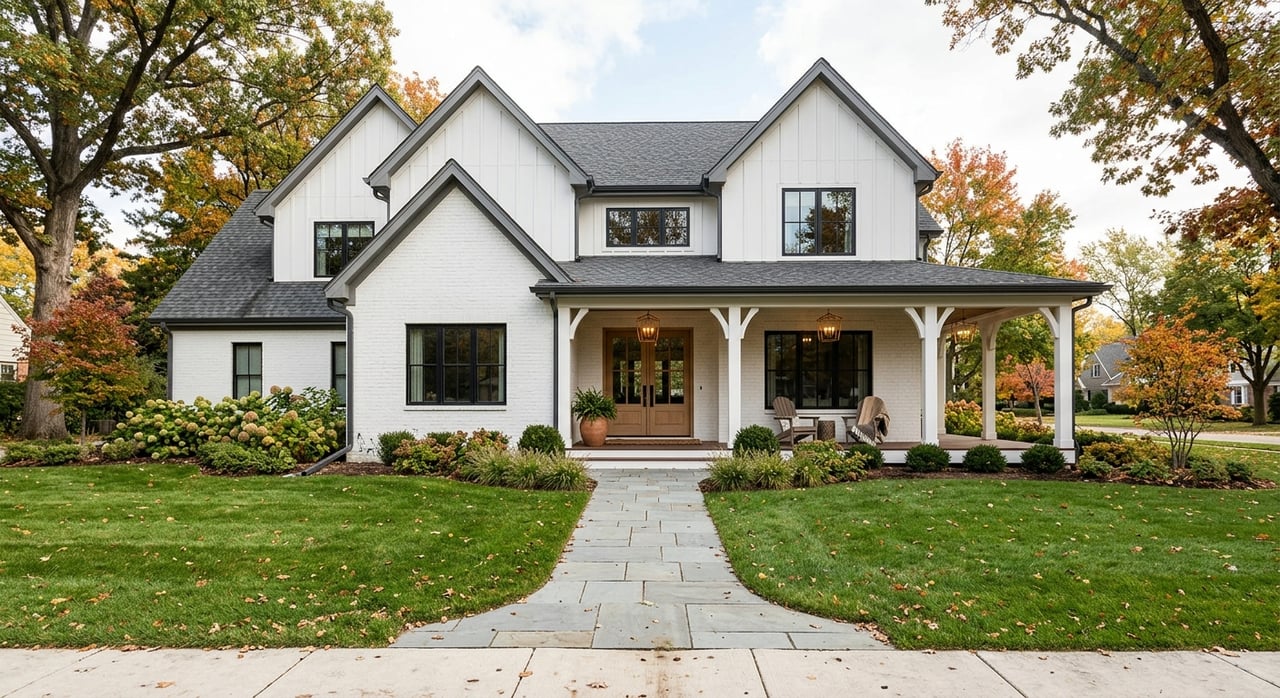
If your current home no longer fits the way you live, you are not alone. Many buyers in Mt. Juliet reach a point where they want more space, a better layout, or a neighborhood with added amenities, but the idea of buying and selling at the same time can feel complicated. The good news is that with the right plan, a move-up purchase can be much more manageable. Here’s what to know before you make your next move in Mt. Juliet.
Why Mt. Juliet fits move-up buyers
Mt. Juliet continues to attract homeowners who want suburban space with convenient access to the Nashville area. The city reports a 2024 special census population of 40,289, and it is a short commute to Nashville and about 10 to 15 minutes from BNA. That combination keeps Mt. Juliet on the radar for households looking to grow without giving up convenience.
It is also a strongly owner-oriented market. Census QuickFacts shows a 72.1% owner-occupied housing rate in Mt. Juliet, which matters if you are moving from one owned home to another. In a market like this, many buyers are balancing current home equity, timing, and monthly payment goals all at once.
What the market says now
When you are moving up, it helps to separate broad value trends from current sale activity. Census data shows a median owner-occupied home value of $460,100 and a median monthly owner cost with a mortgage of $2,047 for 2020 through 2024. Those numbers are useful for context, but they are period averages and may trail today’s market.
Recent market trackers place Mt. Juliet in the mid-$500,000s. Redfin reports a three-month median sale price of $576,655, up 4.9% year over year, while Zillow’s typical home value was $564,095 as of April 30, 2026. Those figures differ because one reflects recent closed sales and the other uses a home value index, but together they show the general price range many move-up buyers are working within.
What move-up homes often offer
In Mt. Juliet, moving up often means more than just buying a larger house. It can also mean gaining flexible living areas, newer finishes, and neighborhood amenities that better fit your current routine. That is especially common in newer construction communities.
Current examples show a wide range of size options. Meritage’s Benders Cove Premier Series starts in the high $400,000s and offers about 1,457 to 2,335 square feet with 3 to 4 bedrooms and 2 to 3 baths. Its larger Reserve and Estate series reach up to 4 to 5 bedrooms and as much as 3,429 square feet.
Other communities reflect the same move-up pattern. Beazer’s Waverly lists homes from 1,780 to 3,679 square feet with 3 to 5 bedrooms and 2 to 3.5 baths. Community amenities there include a pool, fitness center, walking trails, playground, clubhouse, and farm stand, while Meritage’s Waltons Grove advertises a pool, cabana, and playground.
For many buyers, the real trade-up happens in three areas:
- More square footage
- More flexible rooms, such as offices, lofts, or flex spaces
- More neighborhood amenities
Budget beyond the sticker price
A larger home usually brings a larger monthly payment, but the sale price is only part of the picture. Some Mt. Juliet homes, especially in newer communities, also include HOA dues. For example, a move-in-ready Meritage home in Benders Cove with a flex space lists a $95 monthly HOA.
That is why it helps to look at your full monthly housing cost, not just the headline price. A more accurate budget includes:
- Principal
- Interest
- Property taxes
- Homeowners insurance
- HOA dues
This kind of full-picture planning can help you decide whether a larger home still feels comfortable month to month.
Know your available equity
For most move-up buyers, the first question is simple: how much can you bring forward from your current home? Fannie Mae defines home equity as your home’s current market value minus the remaining mortgage balance. That number often shapes what you can comfortably put down on the next home.
Selling a home can also involve upfront costs for improvements, closing, and moving. Because of that, your available proceeds may be lower than your rough estimate at first glance. Looking at your likely sale proceeds early can help you set a realistic purchase range before you start shopping seriously.
Three common ways to make the move
If you already own a home, the biggest move-up question is usually timing. In broad terms, there are three common paths: sell first, buy first with bridge financing, or make an offer with a home-sale contingency. Which route makes sense depends on your equity, savings, and lender approval.
Sell first
This is often the simplest financial path. You sell your current home, unlock your proceeds, and then use that money toward your next purchase. It can reduce the risk of carrying two housing payments at once, which is a major reason many households choose this route.
The tradeoff is timing. You may need temporary housing or a carefully planned closing schedule if you do not want a gap between homes. That is why early planning matters.
Buy first with bridge financing
If you need to secure your next home before your current one sells, bridge financing may be an option. CFPB regulation defines a temporary bridge loan as 12 months or less and gives the example of using it to buy a new dwelling while planning to sell the current one within 12 months.
This path can offer flexibility, but it also increases short-term payment risk. Before going this route, you will want a clear understanding of lender approval, cash reserves, and how long you are comfortable carrying overlap.
Write a home-sale contingency
A home-sale contingency can help if you need proceeds from your current home to complete the purchase. Freddie Mac notes that this kind of contingency can be helpful when sale proceeds are needed, but it also creates added risk from the seller’s point of view.
In a competitive situation, that may make your offer less attractive. Still, for some buyers, it is the most practical way to protect the transaction.
Coordinate closing dates early
No matter which path you take, closing logistics deserve attention early. CFPB notes that closing is a key final step and that the contract can limit time and flexibility. In other words, once dates are in motion, it can be harder to adjust than many buyers expect.
That is why move-up buyers should coordinate early with their lender and settlement agent. If you are selling and buying at the same time, a clear closing plan can reduce stress and help avoid last-minute surprises.
Check school zones by address
If school zoning matters for your next move, avoid making assumptions based on the city name alone. Mt. Juliet schools are operated by Wilson County Schools, and the district has a School Zone Finder along with approved 2026 to 2027 rezoning updates. Zones can vary by street.
The safest move is to verify the exact property address before you make a decision. That simple step can prevent confusion and help you focus your search with more confidence.
Understand Mt. Juliet property taxes
Property taxes are another key part of a move-up budget. Mt. Juliet homeowners pay both city and county property taxes. The city rate is $0.29 per $100 of assessed value, and Wilson County’s FY2025 to 2026 rate is $1.9089 per $100 of assessed value.
Tennessee’s Comptroller says residential property is assessed at 25% of fair market value, with local governments setting rates per $100 of assessed value after reappraisal. Using those figures, a $500,000 home works out to about $2,749 per year in combined city and county tax before any exemptions or relief. Tax bills are payable October 1 and become delinquent March 1.
Wilson County reappraises every five years. While the state’s certified tax-rate process is designed so a county-wide rise in values does not automatically increase total tax revenue, individual tax bills can still rise or fall depending on how a property’s value changes relative to the local average.
Your Mt. Juliet move-up checklist
Before you make an offer, it helps to organize the local details that affect both affordability and timing. A practical Mt. Juliet move-up checklist includes:
- Estimated sale proceeds from your current home
- Your target purchase budget
- Verified school zone by exact address
- Estimated city and county property taxes
- HOA dues, if any
- Your plan for lining up both closings
When those pieces are clear, the process usually feels much more manageable.
Move up with a clear plan
A move-up purchase in Mt. Juliet can open the door to more space, better function, and amenities that fit your next chapter. It also comes with a few extra moving parts, especially if you are selling one home while buying another. With a thoughtful strategy around equity, timing, taxes, and address-level details, you can make a strong decision with less stress.
If you are thinking about your next move in Mt. Juliet and want concierge-style guidance from start to finish, connect with Gracie Youngblood.
FAQs
What does move-up buying in Mt. Juliet usually mean?
- It usually means selling your current home and buying a larger, newer, or more functional home in Mt. Juliet, often with more square footage, flexible rooms, or added neighborhood amenities.
What is the current Mt. Juliet home price range for move-up buyers?
- Recent market trackers place Mt. Juliet in the mid-$500,000s, with Redfin reporting a three-month median sale price of $576,655 and Zillow reporting a typical home value of $564,095 as of April 30, 2026.
What extra costs should Mt. Juliet move-up buyers budget for?
- You should budget for principal, interest, property taxes, homeowners insurance, HOA dues if applicable, and costs tied to selling your current home such as improvements, closing, and moving.
How can homeowners time a move-up purchase in Mt. Juliet?
- The three common paths are selling first, buying first with bridge financing, or writing a home-sale contingency, with the best option depending on your equity, savings, and lender approval.
How do I verify school zoning for a Mt. Juliet home?
- Use Wilson County Schools’ School Zone Finder and verify the exact address, since zones can vary by street and approved 2026 to 2027 rezoning updates are posted by the district.
How are property taxes calculated for Mt. Juliet homes?
- Mt. Juliet homes pay both city and county property taxes, and Tennessee residential property is assessed at 25% of fair market value before the local tax rates are applied per $100 of assessed value.