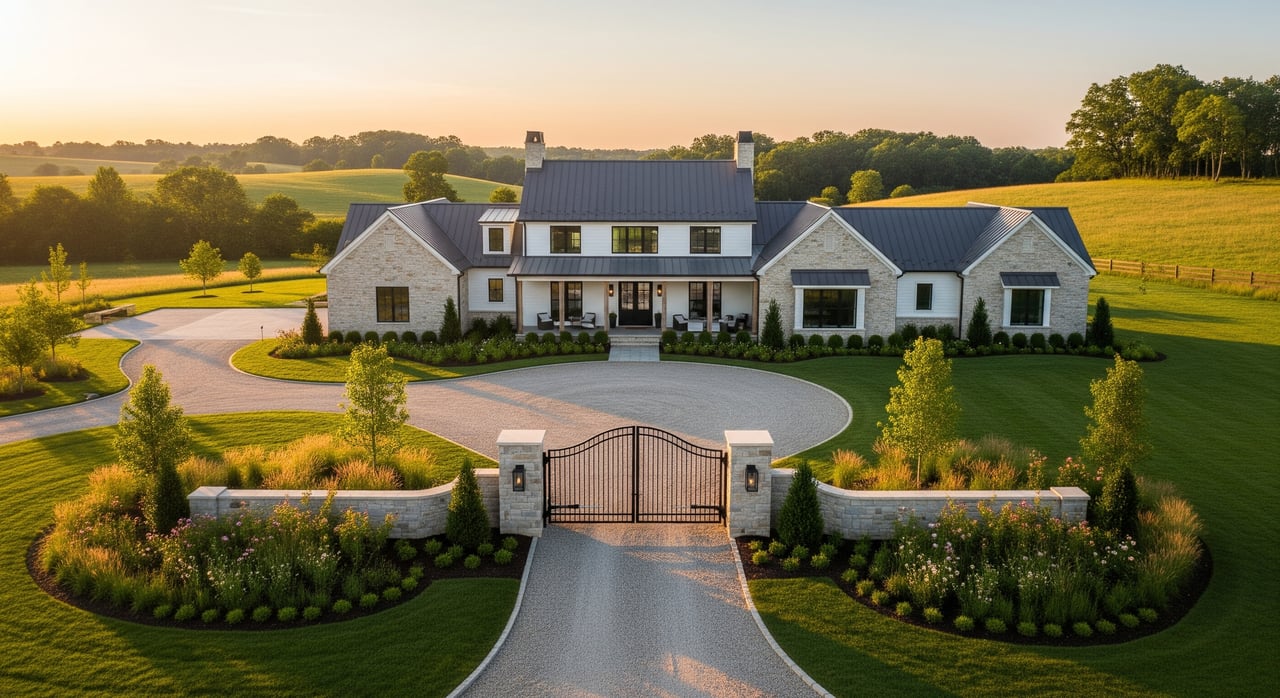
Thinking about getting into a new home in AYLY Estates before it is built? You are not alone. Presales can give you first pick of the lots, more say in finishes, and a clear path to a brand-new home in Mayfield. In this guide, you will learn how presales work at a practical level, what to expect at each step, and how to protect your budget and timeline from day one. Let’s dive in.
What a presale means at AYLY Estates
A presale is an agreement to buy a lot and a new home before construction is complete. In a community like AYLY Estates, this can take a few forms:
- Lot reservation to hold a specific homesite while you finalize contracts.
- Lot purchase plus a semi-custom build where you select a plan and options.
- Buying a spec home before it is finished, often with a shorter timeline and fewer selections.
Developers offer presales to secure early demand and keep projects moving. Buyers choose presales to access the best lots, shape their home with selections, and sometimes secure better pricing than fully finished inventory. You get more choice, along with a few extra moving parts to manage well.
Who is involved in your presale
Several parties help bring a presale to the finish line:
- Developer or lot seller at AYLY Estates
- Builder (in-house or local independent)
- You, the buyer
- Lender, title company, and closing attorney
- Local planning, building, and utility departments
- HOA or property owners association if applicable
Each step will involve different approvals, documents, and milestones. Clear roles and a written timeline make the process much smoother.
Presale timeline at a glance
Every build is unique, but most presales in small Kentucky developments follow a predictable flow. Here is what you can expect from first conversation to move-in.
Lot selection and reservation
- Time: same day to 2 weeks
- What happens: you place a lot-hold deposit and sign a short reservation agreement. The lot is taken off the market while you finalize contracts and financing.
Contract signing
- Time: 1 to 4 weeks after reservation
- What happens: you sign the purchase agreement and deposit earnest money. Your plan, allowances, and option deadlines are identified. Lender pre-approval is confirmed.
Financing and permits
- Time: 2 to 8 weeks (often runs alongside contracts)
- What happens: the builder submits final drawings. Your lender reviews the package for a construction loan or presale purchase. Building permits are applied for and issued.
Construction start to foundation
- Time: 2 to 8 weeks after permits
- What happens: site prep, excavation, and foundation pour.
Framing to lockup
- Time: 4 to 10 weeks
- What happens: framing, roof, windows, and exterior work to secure the home so interior trades can start.
Rough-ins to finishes
- Time: 8 to 16 weeks
- What happens: HVAC, plumbing, and electrical rough-ins, then insulation, drywall, paint, cabinets, flooring, and trim.
Final inspections and closing
- Time: 2 to 6 weeks
- What happens: final inspections, punch list, lender appraisal or draw inspections, and closing. Move-in typically follows the certificate of occupancy and utility transfer.
Overall duration ranges:
- Spec home presale: about 4 to 6 months
- Semi-custom presale: about 6 to 9 months
- Complex or heavily custom builds: 9 to 12+ months
Common causes of delay include weather, material lead times, subcontractor availability, permitting backlogs, site conditions, and lender timing.
Contracts, deposits, and your protections
A clear contract protects you and keeps decisions moving on time. Here are the main pieces to expect.
Reservation and earnest money
- Lot-hold deposits are common and may range from about $500 to as much as $10,000 depending on the market and lot price. The agreement should state the hold period, refund terms, and whether funds convert to earnest money at contract.
- Earnest money on a signed contract often ranges from 1% to 5% of the purchase price for a lot-plus-build deal. Funds are typically held in escrow by a title company or broker until closing.
Contract structure
- Separate contracts: you might buy the lot first and sign a separate construction agreement with a builder. This gives clear lot ownership but adds coordination.
- Combined contract: one agreement covers the lot and the build. It is simpler to manage but ties you directly to a specific builder.
- Spec home purchase: a standard purchase contract with a completion clause. Selections are limited and timelines are usually tighter.
Title, plat, and subdivision status
Your title review should confirm the recorded plat, any easements, and road and utility status. Lenders want to see that lots are legally created and that infrastructure is accepted or bonded when required. Make sure the contract states how any outstanding public improvements will be handled.
Warranties and punch list
Typical builder coverage follows a common pattern:
- 1 year for workmanship and finishes
- 2 years for major systems like HVAC, plumbing, and electrical
- 10 years for structural components, often through a third-party provider
Ask for warranty documents in advance and confirm the punch-list process, service contact, and response times after closing.
Key contingency language to look for
- Construction delays: how delays are handled and when you can request remedies
- Material substitutions: when alternatives can be used and how approvals work
- Force majeure: protections for supply-chain disruptions or labor shortages
Financing your new build
Several loan types can work for presales in Mayfield, depending on the contract and builder.
- Construction-to-permanent (single-close): one closing that funds construction draws and converts to a mortgage at completion. It simplifies the process and locks many terms upfront.
- Two-close structure: a construction loan first, then a separate permanent mortgage at completion. It can add costs but may suit certain buyer or builder needs.
- FHA, VA, and USDA programs: new construction requirements vary. Many programs require builder approval and specific specs for appraisals. Check timelines and documentation early so your selections align with program rules.
Expect your lender to review the construction budget, schedule, builder resume, and draw schedule. Appraisals for new homes are often based on plans, specs, and lot value, so keep your selections list organized and timely.
Choosing your builder and home options
Your builder relationship is central to a smooth semi-custom experience. Review portfolios, warranty records, and recent local projects when possible. Communication style matters as much as craftsmanship.
Spec vs. semi-custom
- Spec homes: the builder chooses plan and finishes. You get faster move-in and a more predictable price.
- Semi-custom builds: you select a plan from the builder’s offerings and choose finishes, with possible structural tweaks. You get more choice and a longer timeline. Clear change-order rules are essential.
Allowances and selections
Most semi-custom contracts set dollar allowances for categories like flooring, lighting, cabinets, and countertops. Make sure allowance amounts reflect your style and quality level. You will also receive a selection calendar.
Common deadlines include:
- Structural options: often within 10 days of contract
- Interior finishes: often within 30 to 45 days
If you miss a deadline, the builder’s standard specs may apply to keep the schedule on track.
Change orders
Changes after contract are normal but should be handled in writing. Expect to receive a cost and timeline impact estimate to sign before work proceeds. Change orders can add cost and time, so group decisions early and prioritize what matters most.
Quality control and site access
Lenders typically inspect at draw milestones such as foundation, framing, rough-in, drywall, and final. Ask to attend these checkpoints or receive photo updates if you are buying from out of town. Clarity on site safety and access makes visits easy for everyone.
Local considerations in Mayfield and Graves County
Every subdivision has location-specific items to confirm. In AYLY Estates, consider the following as you plan your build.
Planning, permits, and roads
Verify whether the subdivision plat is recorded, how roads are designated, and the status of any required public improvements. Depending on jurisdiction, approvals may run through City of Mayfield or Graves County departments. Ask how stormwater and erosion control are handled on your lot.
Utilities and tap fees
Confirm who serves water and sewer, whether tap fees or capacity fees apply, and who pays for connection. If a lot requires an on-site septic system, make sure you understand the permitting steps with local health authorities. Clarify electric and gas providers early since lead times can affect schedules.
Taxes, assessments, and closing costs
New construction is assessed at completion based on local rates. Ask about any special assessments for roads, sidewalks, or drainage within the subdivision. Your closing attorney or title company can outline local recording fees, title insurance, and transfer costs.
HOA, covenants, and architectural review
If AYLY Estates has an HOA or CC&Rs, review them for architectural standards, build timelines, exterior materials, and maintenance rules. Ask when the HOA becomes active and who manages it. Architectural review is especially important when multiple builders are active.
Buyer checklist for AYLY Estates
Use this quick list to stay organized from reservation to closing:
- Confirm the recorded plat, road ownership, and current utility status for your lot.
- Understand reservation terms, refundability, and how earnest money is handled.
- Obtain lender pre-approval that supports new construction or a presale purchase.
- Review builder portfolio, warranty program, and recent local projects when available.
- Get a written timeline with milestones and remedies for excessive delays.
- Verify allowance amounts and selection deadlines in the contract.
- Decide how site visits and third-party inspections will work during construction.
- Read the CC&Rs and confirm HOA dues and any special assessments.
- Request warranty documents and the punch-list process in writing.
- Confirm insurance needs during construction and at closing.
How Gracie helps you navigate presales
Presales come with more decisions, but you do not have to figure them out alone. You can get help coordinating lot reservations and contracts, aligning lender and builder packages, organizing your selections calendar, and keeping communication on schedule. With on-the-ground experience in AYLY Estates and Western Kentucky new construction, you get a clear plan from lot hold to move-in.
Ready to explore lots and timelines that fit your goals in AYLY Estates? Reach out to Gracie Youngblood to get started.
FAQs
What is a presale in AYLY Estates?
- A presale is a purchase agreement for a lot and home before construction is complete, often with a lot reservation first and a semi-custom build or spec-home purchase to follow.
How much is a lot-hold deposit, and is it refundable?
- Lot-hold deposits commonly range from about $500 to $10,000 depending on the lot and market; refund terms should be spelled out in the reservation agreement.
What is the difference between a reservation and a signed contract?
- A reservation temporarily holds a lot while you finalize details; a signed contract commits you to purchase terms, earnest money, timelines, selections, and financing.
How long does it take to move in with a presale?
- Typical ranges run 4 to 6 months for spec homes and 6 to 9 months for semi-custom builds, with longer timelines for more complex or heavily customized homes.
What financing works for new construction in Mayfield?
- Many buyers use a construction-to-permanent loan or a two-close structure; FHA, VA, and USDA programs can apply if builder and plan requirements are met.
Who pays for utilities and tap fees in a new subdivision?
- It varies by contract and local utility policies; confirm provider responsibilities, tap or capacity fees, and connection timing before you finalize your budget.
What warranties come with a new build?
- Many builders provide 1-year workmanship, 2-year systems, and 10-year structural coverage; ask for documentation and the post-closing service process in writing.