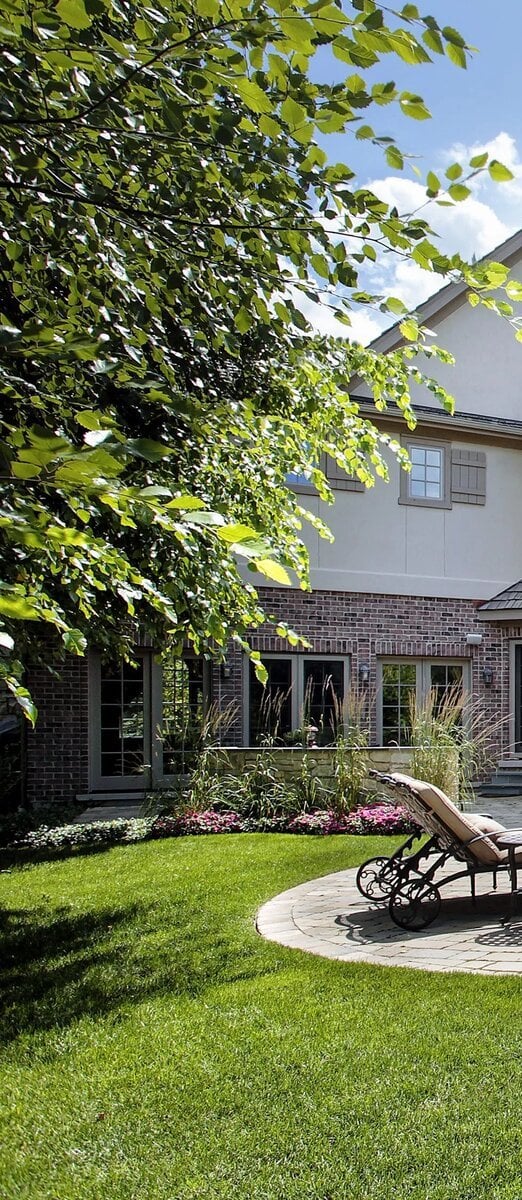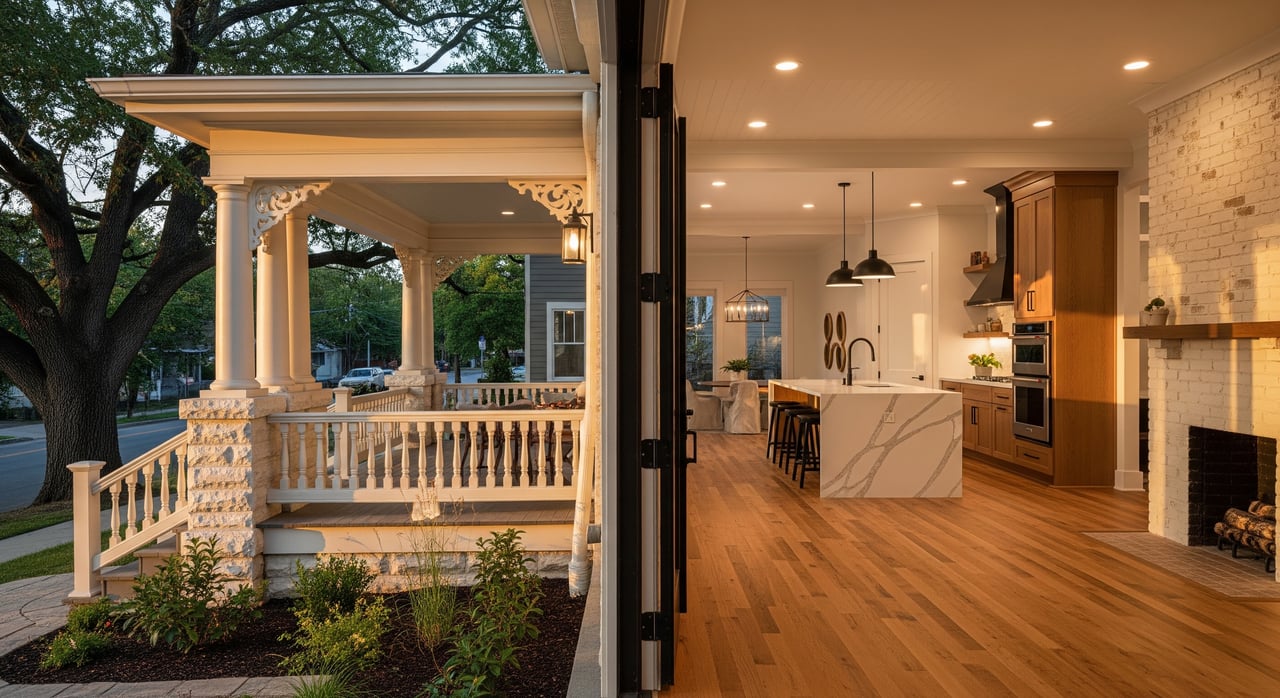
Should you stretch for a polished cottage near Five Points or grab a smaller East Nashville fixer and build equity over time? If you are buying your first home, this choice can feel exciting and overwhelming. You want the right location, a payment you can live with, and a plan that will not derail your life or budget. In this guide, you will learn how East Nashville homes typically differ by condition, what renovations really cost, how financing works, and when a fixer or move-in-ready home makes the most sense. Let’s dive in.
East Nashville snapshot
East Nashville covers neighborhoods east of the Cumberland River in Davidson County, including areas like Lockeland Springs, Inglewood, Five Points, and Shelby Park/Shelby Hills. You will see a mix of historic cottages and bungalows, worker shotguns, small brick homes, and newer infill townhomes and condos. Many streets are walkable to restaurants and parks with a quick commute into downtown Nashville.
Pricing and inventory shift by block and by condition. Newer builds and well-renovated cottages usually command a premium, while deeply distressed properties sell at a discount but can still attract investor attention. Since numbers change monthly, plan to review current neighborhood listings and market updates before you write an offer.
What a “fixer” means here
Common old-home issues
Older East Nashville homes, especially those built between 1900 and 1950, often need more than paint. Be ready to evaluate:
- Electrical systems, including possible knob-and-tube wiring and undersized panels that may require a full rewire.
- Plumbing with galvanized supply lines or cast iron sewer laterals that can leak or need replacement.
- Pier-and-beam foundations with sagging floors, settling, or crawlspace moisture that can affect structure and energy use.
- Potential lead-based paint in pre-1978 homes and possible asbestos in older materials if you plan to disturb them.
- Single-pane windows, minimal insulation, older roofs or gutters, and drainage that can stress foundations.
- Termite or moisture-related wood rot.
- Flood risk near lower-lying blocks or close to the river. You can review official maps at the FEMA Flood Map Service Center.
Historic and zoning realities
Parts of East Nashville, such as Lockeland Springs, sit within historic overlays that require exterior design review. The Metro Historic Zoning Commission reviews additions and exterior changes, which can affect your budget and timeline. Learn about design review expectations through the Metro Historic Zoning Commission. For building permits, trade permits, and inspections, start with Metro Nashville Codes and Building Safety.
Renovation costs and timelines
Every house is different, but national and regional benchmarks offer helpful ballparks:
- Cosmetic refresh, like paint, floors, fixtures, and minor kitchen or bath updates, often runs about $20 to $60 per sq ft.
- A mid-range whole-house update with systems, a new kitchen, 1–2 baths, and limited layout changes can land around $80 to $150 per sq ft.
- A full gut or major remodel with structural work, rewire, re-plumb, HVAC, and high-end finishes can reach $150 to $300+ per sq ft.
Typical line items vary widely by size and finish level, but common ranges include a kitchen at $15,000 to $75,000+, a bathroom at $7,000 to $40,000+ per bath, a full electrical rewire at $8,000 to $25,000+, and HVAC replacement at $6,000 to $15,000+. These estimates reflect national cost references like the Remodeling Cost vs. Value Report and regional contractor reports. Always confirm with local contractor bids.
Plan for a 10 to 25 percent contingency to cover hidden issues like water damage, termite repairs, code upgrades, or sewer lateral replacement. Timelines vary by scope and permitting:
- Cosmetic projects: 2 to 6 weeks.
- Moderate remodels, such as kitchen plus 1–2 baths and systems upgrades: 8 to 16 weeks.
- Full gut projects: 4 to 6+ months, especially if you have structural work, historic review, or supply delays.
Since contractor demand and material costs rose in recent years, build in extra lead time for bids, permits, and specialty items like windows or cabinetry.
Financing your path
Standard mortgage, renovate later
You can buy an as-is home with a standard mortgage and handle improvements later with cash, a HELOC, or a home equity loan once you have equity. This route is simpler to close but requires reserves. Some lenders may require a basic livability standard before closing.
Renovation loans rolled into purchase
If you prefer to finance upgrades at purchase, renovation mortgages let you combine the price and the renovation budget into one loan. Options include:
- FHA 203(k) for FHA-eligible buyers. It allows purchase plus renovation in a single loan, often with a lower down payment. Larger projects require a program consultant and inspections. Learn more on the HUD FHA 203(k) program page.
- Fannie Mae HomeStyle Renovation for conventional borrowers. It finances improvements based on the after-renovation value and may require mortgage insurance with smaller down payments. See the Fannie Mae HomeStyle Renovation overview.
- Other options can include VA-related renovation solutions through participating lenders or proprietary renovation loans. Requirements vary by lender.
With renovation loans, funds typically sit in escrow and are released in draws after inspections. You usually need licensed contractors and a defined scope, budget, and timeline before closing.
Move-in-ready pros
- Faster occupancy and lower disruption to daily life.
- Predictable near-term costs and fewer surprises.
- Easier for first-time buyers who want to focus on settling in, not managing trades.
In East Nashville, beautifully renovated cottages and newer builds often draw strong interest and can justify a premium. The tradeoff is the higher upfront price.
Fixer-upper pros
- Lower purchase price with potential to build equity by improving systems, kitchens, and baths.
- Ability to personalize finishes and layout over time.
- Opportunity to buy into a favorite block or micro-neighborhood that might be out of reach in fully renovated condition.
The tradeoff is the added time, complexity, and risk of hidden issues.
A simple numbers comparison
Consider a hypothetical pair to stress-test your budget:
- Scenario A: A fixer for $300,000 that needs $100,000 in updates. Add 15 percent contingency and soft costs, and you might budget roughly $115,000 to $130,000 for the project. Total all-in could be about $415,000 to $430,000, plus carrying costs during the work.
- Scenario B: A move-in-ready home for $425,000 with minimal immediate work. You pay a premium, but you avoid construction months, permit timelines, and contractor coordination.
Your best option depends on cash reserves, loan eligibility, project tolerance, and how quickly you need to move.
Permits, inspections, and insurance
Metro Nashville requires permits for most electrical, plumbing, HVAC, structural, and addition work. Unpermitted prior renovations can create problems for financing and future resale. Start permit questions with Metro Nashville Codes and Building Safety and consult the Metro Historic Zoning Commission if the home is in a historic overlay.
Before you buy, order a professional home inspection and consider add-ons for older homes: a sewer scope, termite and pest inspection, and specialist evaluations for mold, asbestos, or lead paint if you plan to disturb older materials. If flood risk is possible, confirm the zone at the FEMA Flood Map Service Center. For tax planning on a specific parcel, review the Metro Nashville Assessor.
Homeowners insurance can be higher for older homes or properties in flood zones, and your lender may require flood insurance in certain areas.
Decision checklist for first-timers
Step 1: Self-assess
- Timeline: Do you need to move in within weeks or can you live with months of work?
- Time and skills: Will you manage bids, permits, and schedules or hire a general contractor?
- Risk tolerance: How comfortable are you with unknowns behind the walls?
- Financing: Do you qualify for renovation loans or have cash reserves for repairs?
Step 2: Do the math
- Total fixer cost = purchase price + hard renovation costs + permits/fees + 10 to 25 percent contingency + carrying costs during construction.
- Compare to a move-in-ready price premium. The simpler path can be worth it if the premium is less than the renovation delta and disruption.
- For resale, kitchens, baths, and system upgrades usually attract buyers, but not every dollar returns on sale. Avoid over-improving for the block.
Step 3: Vet condition
- Red flags include extensive foundation failure, active and severe termite damage, major mold, or properties in high-risk flood zones where insurance is costly or limited.
- Be cautious with homes that combine a full re-roof, full rewire, sewer lateral replacement, and significant foundation work all at once.
Step 4: Write a smart offer
- Keep strong inspection contingencies. If using a renovation loan, confirm product eligibility and realistic timelines before you go under contract.
- Consider negotiating seller credits or price adjustments for code-required repairs.
Step 5: Execute the plan
- Get multiple bids, verify licenses and insurance, and use a written contract with a clear scope, schedule, payment milestones, and warranty.
- If using renovation escrow funds, align draw schedules with inspections and milestones.
- Keep your contingency intact. Expect some dust, delays, and decisions along the way.
Local tips to stay ahead
- Expect micro-differences by street and block. Renovated homes close to key corridors often price higher, while houses needing heavy systems work can lag.
- Historic overlays can shape window choices, additions, and exterior materials. Factor design review into your timeline.
- Contractor availability fluctuates with regional demand. Book trusted trades early and order long-lead items like windows and cabinets once designs are set.
Choosing between a fixer and a move-in-ready home in East Nashville is a lifestyle and budget call. With clear numbers, a realistic timeline, and the right guidance, you can buy with confidence on either path. If you would like a hands-on partner to help you compare homes, line up inspections, and navigate offers, connect with Gracie Youngblood to get started.
FAQs
What should first-time buyers know about East Nashville historic overlays?
- Parts of East Nashville fall under historic review, which can affect exterior changes and additions. Start with the Metro Historic Zoning Commission to understand requirements before you budget.
How do renovation loans like FHA 203(k) work in practice?
- Renovation loans combine purchase and improvement costs into one mortgage, with funds held in escrow and released in draws after inspections. See the HUD FHA 203(k) program for details.
What inspections are most important for older East Nashville homes?
- In addition to a general home inspection, consider a sewer scope, termite report, and evaluations for electrical, plumbing, foundation, and potential lead or asbestos if you plan to disturb older materials.
How can I estimate renovation costs before I make an offer?
- Use ranges from sources like the Remodeling Cost vs. Value Report to create a rough budget, then get local contractor bids and add a 10 to 25 percent contingency for unknowns.
How do I check flood risk and insurance requirements in East Nashville?
- Look up the property’s zone at the FEMA Flood Map Service Center. If it is in a high-risk zone, your lender may require flood insurance, which can affect monthly costs.
Which updates add the most resale value in East Nashville?
- Kitchens, baths, and core systems like HVAC, electrical, and plumbing tend to draw the most buyer interest. Avoid over-improving beyond what nearby comparable homes support.