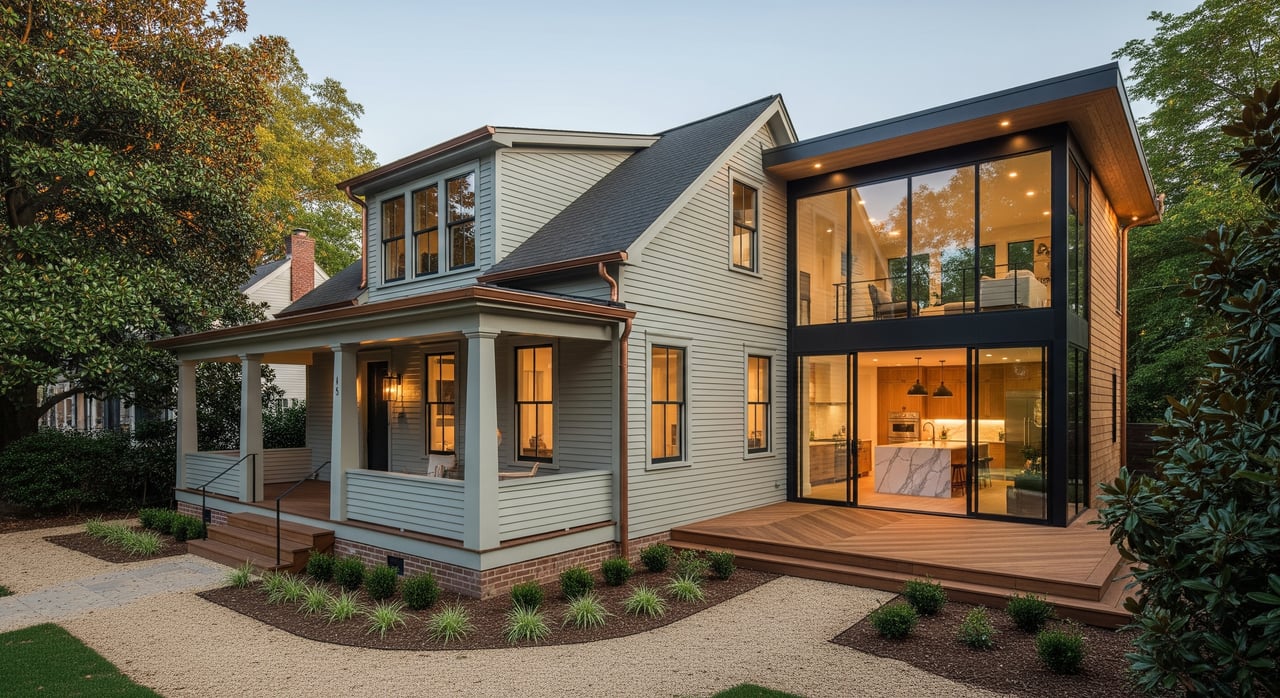
Worried your East Nashville appraisal might not match the contract price? You’re not alone. In a market with rapid price shifts and a mix of classic homes and new builds, appraisal gaps can surprise both buyers and sellers. In this guide, you’ll learn why gaps happen here, how to structure smart offers and listings, and the practical steps to work with lenders and appraisers. Let’s dive in.
Why appraisal gaps happen in East Nashville
East Nashville includes walkable pockets and in-demand neighborhoods like Five Points/Lockeland Springs, Inglewood, Eastwood, and areas near Shelby Park. Many have seen faster-than-average appreciation and competitive bidding. When prices rise faster than closed sales, appraisals can lag what buyers are willing to pay.
You also see a wide mix of property types. Older homes with major renovations sit next to new construction and infill on smaller lots. These differences make it harder to find clean, recent comps. Appraisers rely on closed sales and program rules, so a unique property can produce a wider range of values.
Loan programs matter too. Conventional loans sometimes receive appraisal waivers through automated systems, but waivers are not guaranteed. FHA and VA loans require program-specific appraisals tied to minimum property standards. In all cases, lenders base financing on the appraised value, not the contract price.
Local details play a role. Flood risk, lot constraints, proximity to parks and commercial corridors, and whether renovations were permitted can affect value. East Nashville has micro-markets, so values can change block by block.
Buyer strategies to manage appraisal gaps
Strengthen your offer smartly
- Use an escalation clause with a clear cap. This helps you stay competitive without overcommitting.
- Add a limited appraisal gap coverage clause. For example, agree to cover up to a set dollar amount of any shortfall. This protects your exposure while giving the seller confidence.
- Avoid a full appraisal contingency waiver unless you are cash or very certain. A limited waiver is safer and still competitive.
- Consider a larger down payment or a cash offer. Higher certainty can win bids, but only commit what you can comfortably fund.
Coordinate early with your lender
- Get full pre-approval, not just prequalification. Ask your lender to confirm the program, down payment, and whether your file might qualify for an appraisal waiver.
- Ask about the lender’s reconsideration of value process. If the appraisal is low, you may be able to submit additional comps and documentation for review.
- Clarify timelines for ordering the appraisal and any steps if you need a review or second opinion.
Document renovations and value evidence
- Request invoices, permits, and inspection records from the seller for major updates. Share these with your agent and lender as needed.
- For unique or complex properties, consider a pre-offer broker price opinion or a private appraisal to gauge risk.
If the appraisal comes in low
- Renegotiate the sale price with the seller to match or split the shortfall.
- Cover part or all of the gap with cash, if feasible.
- Ask for seller concessions, such as a credit or temporary rate buy-down, to help bridge the gap.
- Work with your lender on a reconsideration of value or a second appraisal, if the program and timeline allow.
Seller strategies to reduce and handle gaps
Price to the market
- Use recent closed sales that are truly comparable in size, condition, and location, ideally within the last three months.
- In a fast-changing area, include context about pending sales and active trends in your listing notes and appraisal materials.
- Consider a pre-listing appraisal or broker valuation if your home is unique or the market is volatile.
Create a strong appraisal package
- Prepare a concise packet for appraisers: 3 to 5 best closed comps, upgrade lists with receipts and permits, floor plans, surveys, and professional photos.
- Include before-and-after photos for permitted remodels. Add contractor invoices for kitchens, baths, systems, and structural work.
- Note objective location benefits like proximity to parks and restaurants, and document them clearly.
Negotiate with options
- Offer a partial price reduction tied to the shortfall, or split the gap with the buyer.
- Consider seller credits or a temporary interest-rate buy-down if you want to keep the contract price intact.
- If you had multiple offers, evaluate whether returning to the next best offer is viable.
Use guarantees carefully
- Some sellers use an appraisal gap guarantee, promising to reduce the price if the appraisal lands below a specific number. This can attract buyers but increases your risk.
- Consult your agent on language in Tennessee purchase agreements and timing so you protect your goals and comply with the contract.
Working with appraisers and lenders in Davidson County
What appraisers weigh
- Appraisers prioritize recent closed sales of similar homes. They look at square footage, bed and bath count, lot size, age, condition, and location.
- They adjust for differences like finished space, garage, and upgrades. Closed sales carry the most weight, but they also consider market conditions.
- In East Nashville, they review flood zones, zoning, easements, property condition, and whether improvements are permitted and consistent with the area.
What to provide for a better outcome
- A curated comps list with photos and details of recent nearby sales.
- Receipts, permits, and contractor invoices for remodeling and major systems.
- Floor plans, surveys, and verified measurements.
- A brief, factual summary of neighborhood changes, such as new construction or community projects that may support value.
Reconsideration of value and second appraisals
- If the value comes in low, ask your lender about a formal reconsideration of value. You can submit better comps and documentation.
- Some lenders order a desk review, a field review by a second appraiser, or a new appraisal depending on program rules.
- Move quickly. Purchase contracts often set tight deadlines for appraisal and financing contingencies.
Lender coordination checklist
- Ask how the lender orders appraisals and the expected timeline.
- Confirm whether an appraisal waiver might be available for your file.
- Clarify the reconsideration process and the option for a second appraisal if needed.
- Understand FHA and VA requirements if you use those programs, since they have specific rules and less flexibility.
East Nashville specifics to watch
Flood zones and permits
- Verify flood zone status and whether an elevation certificate is available if needed. Flood designations can affect valuation and loan terms.
- For renovations, confirm permits were obtained and finalized. Appraisers may discount unpermitted work even if buyers like the improvements.
Micro-markets and unique property types
- Values can shift from block to block near major streets, parks, or commercial nodes. Use hyper-local comps that match your home’s location and features.
- Older homes with significant updates or new infill on smaller lots may be harder to compare. Be ready with documentation that shows quality and scope of improvements.
Common pitfalls
- Irregular or small lots, flips without clear renovation records, and non-permitted spaces often lead to downward adjustments.
- Pending sales and list prices can inform the story, but appraisers lean on closed sales first. Make sure your comps reflect actual closings when possible.
Quick checklists
For buyers making a competitive offer
- Get full pre-approval and ask about potential appraisal waivers.
- Decide your maximum appraisal gap coverage and state it in dollars or a percentage.
- Provide proof of funds and strong earnest money to support your offer.
For sellers preparing for appraisals
- Assemble a one-page appraisal packet with 3 to 5 strong closed comps, permits and receipts, a floor plan, and a photo list.
- Consider a pre-listing appraisal if your property is unique or the market is moving quickly.
- Price to realistic comps and summarize active and pending trends to help appraisers understand current demand.
Ready to talk through a tailored plan for your East Nashville move or sale? Reach out to schedule a conversation. With boutique, concierge-level guidance and strong marketing, you can navigate appraisals with confidence. Connect with Gracie Youngblood to get started.
FAQs
What is an appraisal gap in East Nashville?
- It is the difference when a home’s appraised value comes in lower than the contract price, which can happen due to fast appreciation, unique property features, or limited comparable sales.
How can East Nashville buyers protect against low appraisals?
- Use a capped escalation, a limited appraisal gap clause, and full pre-approval. Keep documentation ready and discuss reconsideration steps with your lender.
What can East Nashville sellers do before listing?
- Price with recent, truly comparable sales, disclose permitted upgrades with receipts, and prepare an appraisal package to help support value.
Can my agent share comps with the appraiser?
- Yes. Your agent can provide comps and documentation, but the appraiser must independently analyze and select comparables.
Can I get a second appraisal if the value is low?
- You can request it through your lender. The lender will decide based on program rules and their review process.
Is waiving an appraisal contingency a good idea?
- It is used in competitive offers but raises financial risk. Limited waivers or capped gap coverage often provide a safer balance.
How much appraisal gap coverage is typical in Nashville?
- There is no universal amount. Many buyers set a fixed dollar limit or a percentage cap based on savings, property risk, and current market trends.